Field Note: Agriculture of the Future May Need More Grass
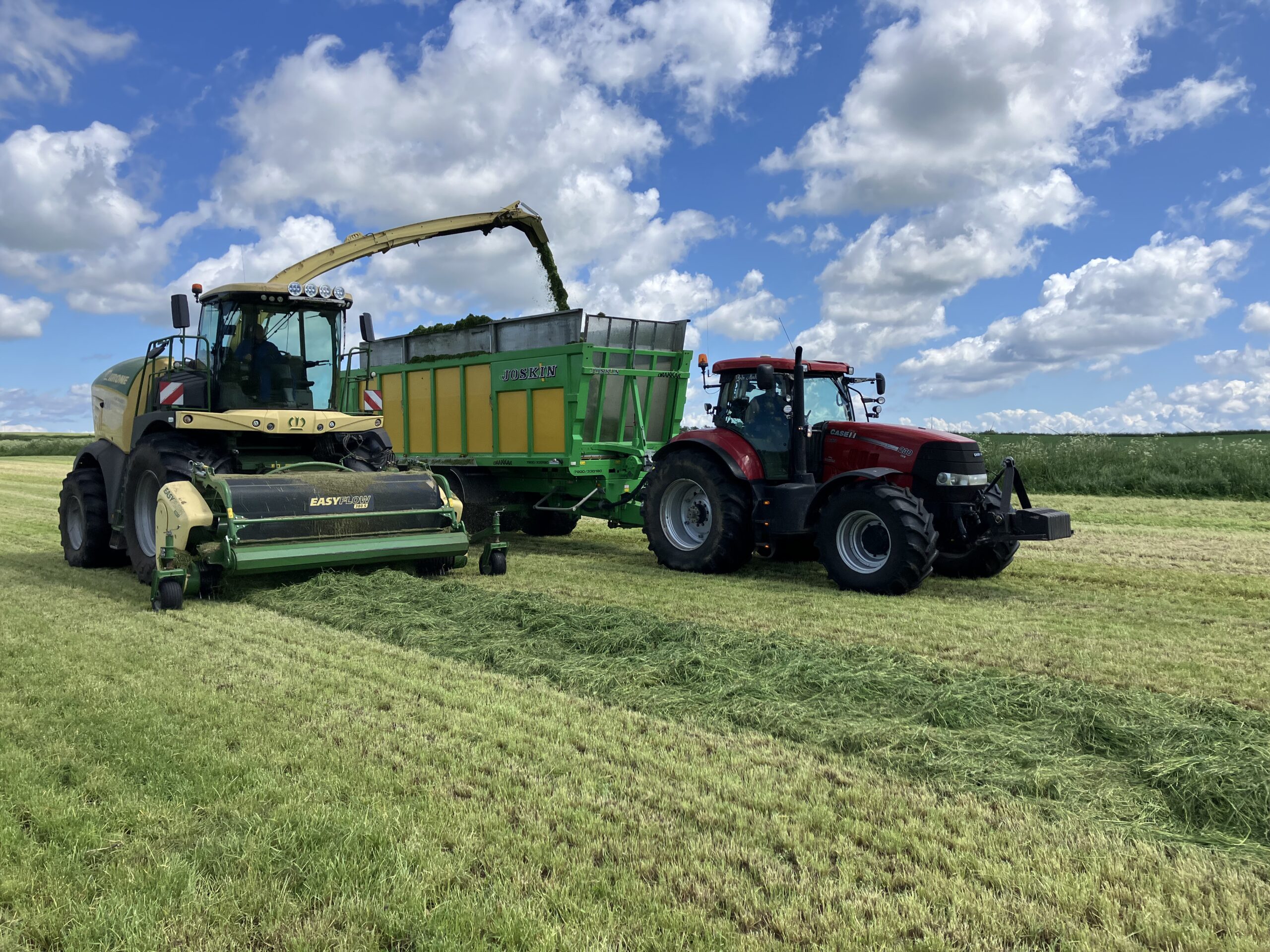
Grass can both reduce nitrogen leaching and provide biomass for biogas production. But how can the right balance be found between environmental considerations, yields and economic viability? Aarhus University is exploring this through trials in Living Lab Central Jutland. A new Field Note provides insights into the trials and the questions researchers are working to answer.
With the upcoming nitrogen regulations in 2027, it will become even more important to find solutions that can reduce nitrogen leaching from agricultural fields. Converting cereal crops to perennial grass could be an important measure, particularly in areas around the Limfjord.
At the same time, the grass can be used for biogas production, helping farmers maintain agricultural production on these fields.
An important factor is how the grass is fertilised. Applying less nitrogen fertiliser can reduce nitrogen leaching, but it can also affect the amount of grass harvested. It is therefore essential to find the right balance between nitrogen application, biomass yield and grass quality for biogas production.
In 2026, Aarhus University is conducting trials at Madsen Bioenergi near Skive. The trials investigate how different levels of nitrogen fertilisation affect grass yields and methane potential. The results are expected in the winter of 2026–2027 and will provide new insights into how grass can best be utilised for biogas production.
Read the full Field Note article, “Grass Trials for Biogas Production”, via the link to learn more about the trials, opportunities and challenges of using grass for biogas production.
Field Note: Forsøg med græs til biogas
Also watch the video from the field trial at Living Lab Central Jutland below.