Biogas as a key element in the transition to a bioeconomy
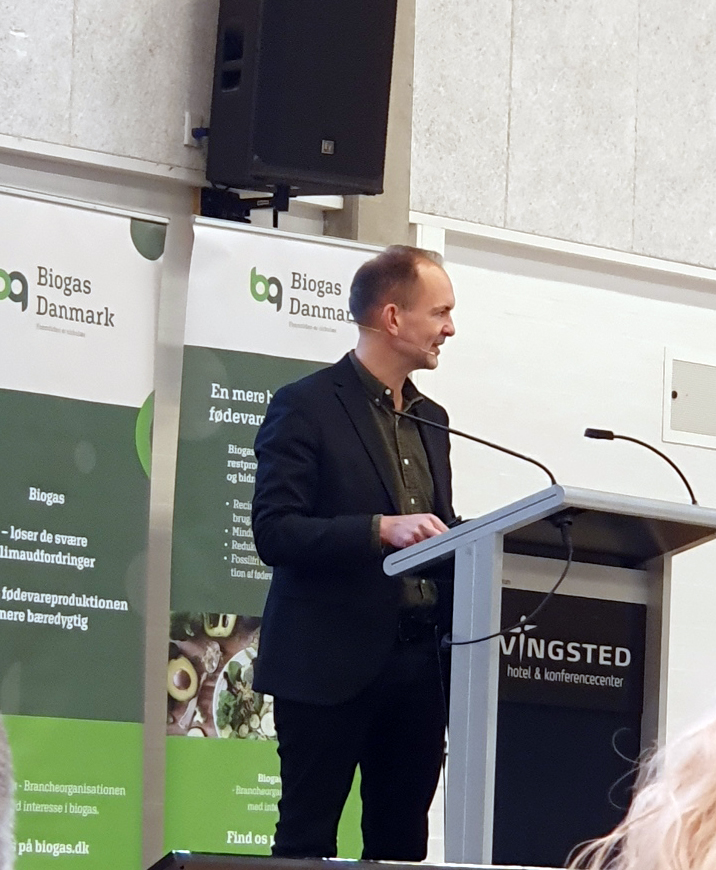
Biogas Denmark brought together a record number of participants at this year’s conference, where biogas was once again highlighted as a central part of the future energy system.
Chairman Søren Pind welcomed the participants and pointed out that biogas must be seen in close interaction with solar and wind power to ensure balance in the electricity grid.
Several presentations emphasized that 40 percent of Denmark’s gas supply today already consists of green gas from biogas production. At the same time, an increasing European need for more green gas was highlighted in order to reduce dependence on fossil natural gas. The Biomethane Industrial Partnership has set a target of 35 billion cubic meters of biomethane by 2030, but there is still some way to go to reach this goal.
Several speakers also highlighted the EU’s interest in Denmark’s experiences with the Green Tripartite Agreement as inspiration for further cross-sector collaboration on biogas and biomethane.
Biogas was also highlighted as a driving force in the Green Tripartite Agreement, where farmers, through the supply of manure and deep litter to biogas production, can reduce the impact of the forthcoming CO₂ tax on agriculture.
The Minister for the Green Tripartite Agreement, Jeppe Bruus, pointed out in his speech the need to move from a traditional economy towards a bioeconomy, where biogas and grass cultivation play a central role.
The conference also provided perspectives on the role of biogas in future transport. According to Tanja Ebbe Dalgaard from the Mærsk Mc-Kinney Møller Center for Zero Carbon Shipping, the shipping industry must already increase its use of alternative fuels by 2030, with biogas expected to play a significant role.