From field to biogas: Aarhus University explores the potential of agricultural biomass
Accel AgroBiogas brings together research, industry and public authorities to develop the sustainable biogas solutions of the future. Here, Aarhus University provides insight into its role in the project.
What is your role in the project? One of AU’s core roles in the project is to investigate and document how larger quantities of plant biomass can be produced and harvested in crop production for use in biogas production. We also contribute to documenting the environmental and climate impacts of producing the biomass and using it for biogas production.
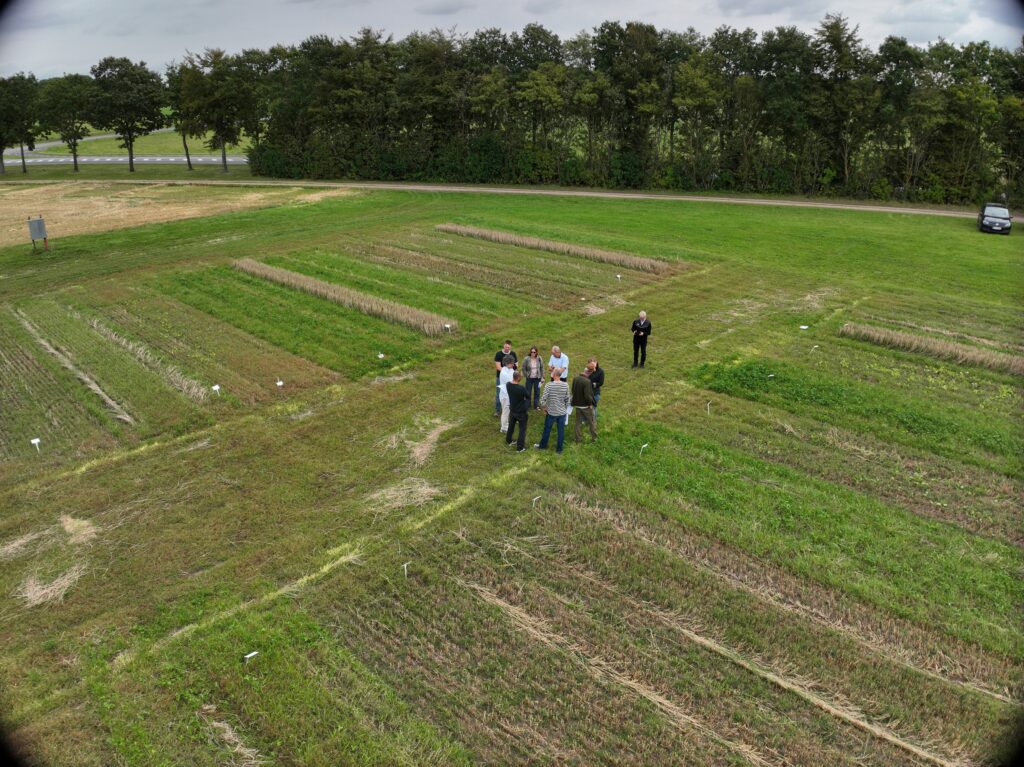
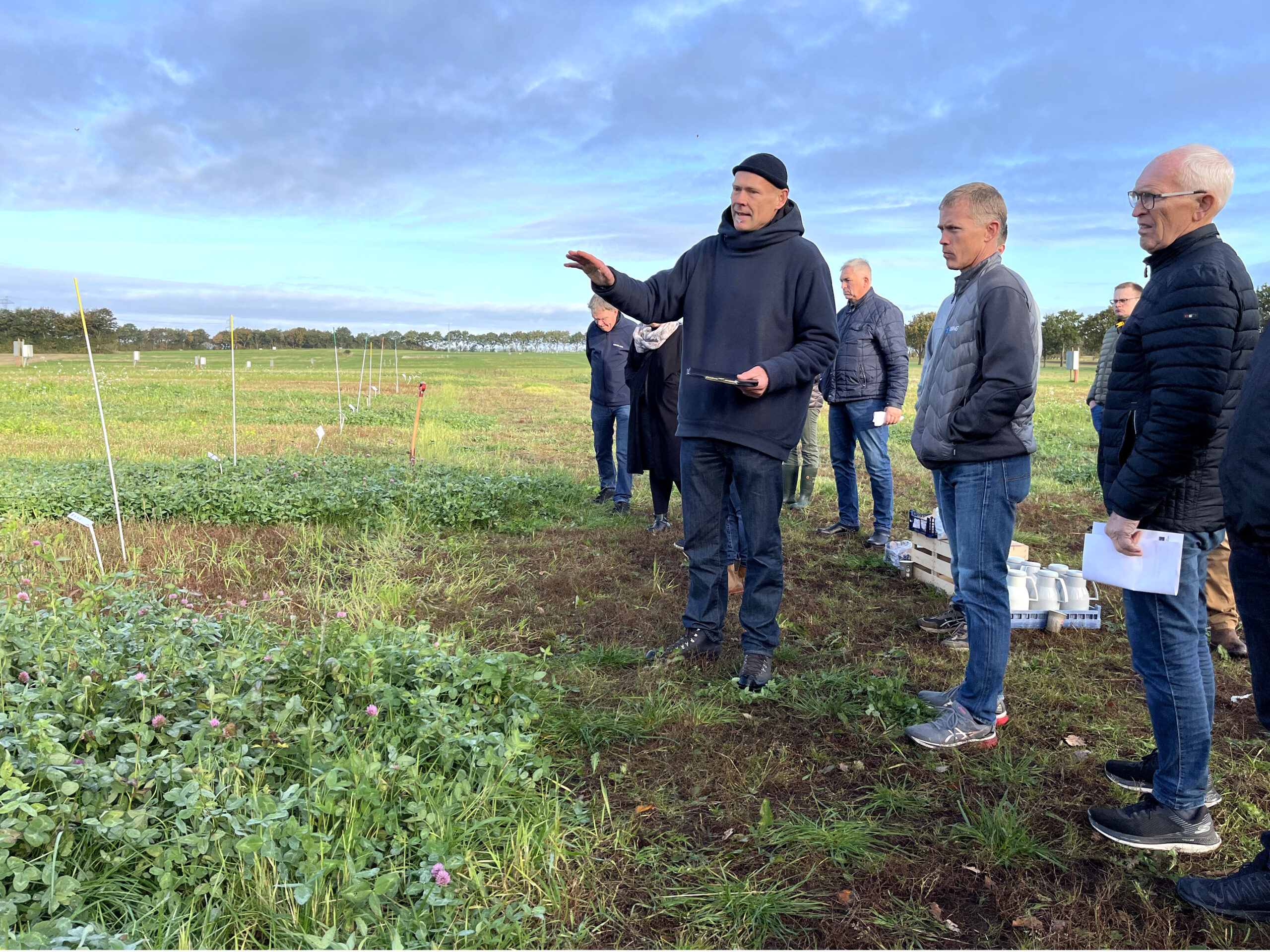
What do you contribute to the project? In the project, we conduct field trials with different cultivation strategies, with a particular focus on increasing biomass production from cover crops. We also investigate whether nitrogen leaching changes when cover crops are harvested rather than left in the field. In addition, we analyse the biogas potential of different types of biomass, both from our own experimental activities and from other activities in the project’s Danish and Swedish living labs.
Why is Accel AgroBiogas important? The project provides new knowledge about agriculture’s potential biomass resources and how they can be used in biogas production. This is highly relevant for both farmers and biogas plants – and for the interaction between agriculture and biogas production. For farmers, supplying biomass for biogas production may create new business opportunities and positive side effects, such as improved nitrogen management. For biogas plants, a reliable supply of energy-rich and sustainable biomass is essential for maintaining profitable biogas production.
What happens next? In 2026, the field trials will continue. The effects of harvesting cover crops in autumn 2025 on nitrogen leaching and subsequent nitrogen availability will be measured, and a new trial will be established in which spring barley is harvested earlier than usual to increase the yield of different cover crops. Trials will also be carried out on ensiling wet straw from early-harvested spring barley and on co-ensiling tall cereal stubble with cover crops. In addition, the biogas potential of both fresh and ensiled biomass will be analysed.