Dialogue with public authorities on agriculture’s role in future biogas production
How can agricultural biomass such as grass, catch crops and crop residues contribute to increased and more sustainable biogas production, and what changes are needed to unlock this potential? These questions were in focus when Accel AgroBiogas invited public authorities, industry representatives, researchers and farmers to a joint dialogue.
A farmer-led initiative shows the way
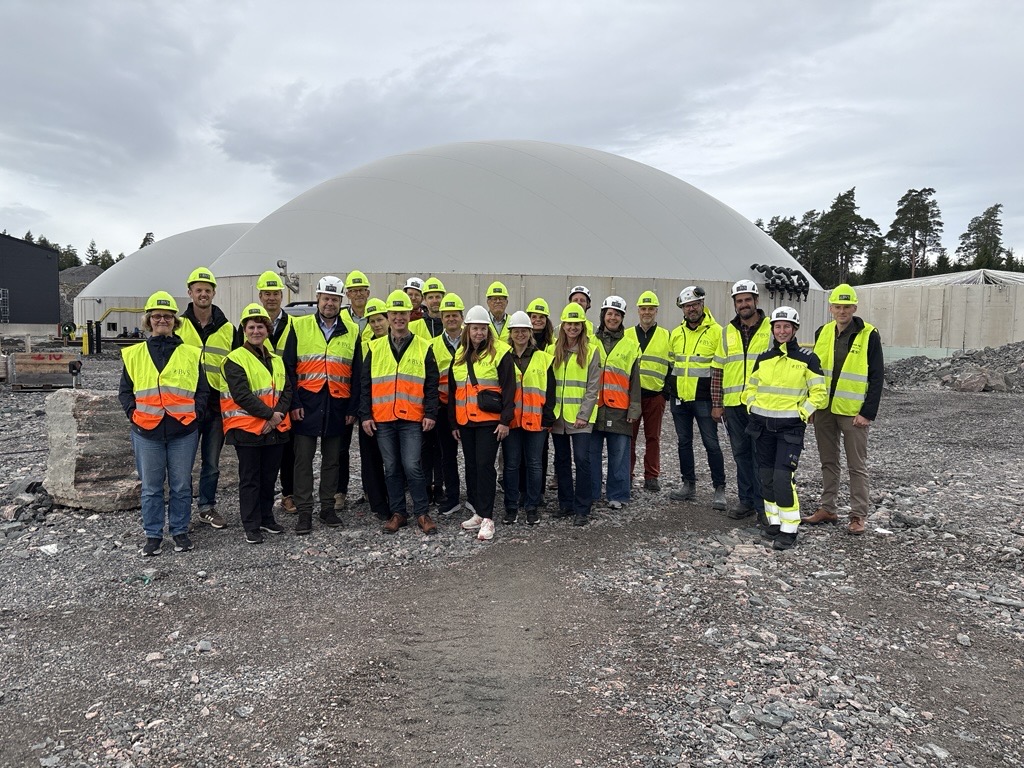
The day began with a visit to Biogas Västra Skaraborg AB. This farmer-led initiative is a clear example of the development taking place in the region and of the momentum that can be created when farmers join forces to develop new solutions.
The visit gave participants a concrete picture of the opportunities available, while at the same time highlighting the practical, economic and regulatory conditions that need to be in place for a biogas initiative to move from idea to reality. Today, the initiative primarily focuses on the anaerobic digestion of manure, but plant-based substrates could also be of interest under the right economic conditions.
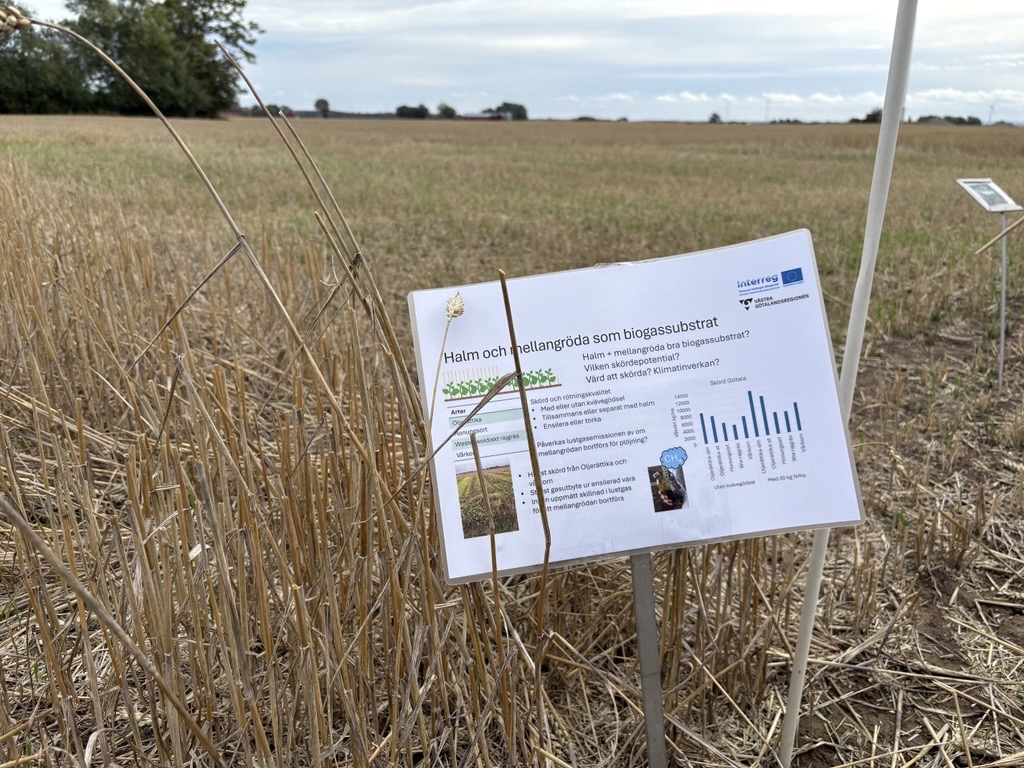
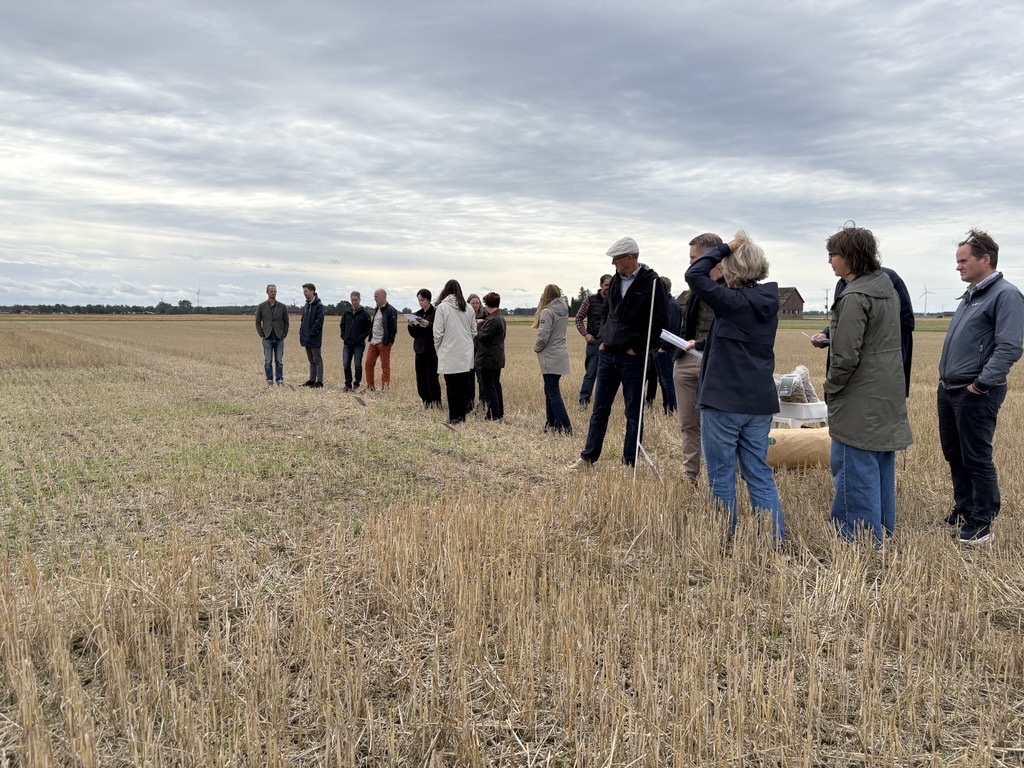
At Lanna experimental farm, participants learned about research and trials related to agricultural cropping systems. Here, practical development was linked to issues such as new substrates, soil health and how cropping systems can be developed to contribute both to biogas production and to other benefits for agriculture.
A broader discussion about the benefits of biogas
During the afternoon, results and knowledge generated within Accel AgroBiogas were presented. The presentations addressed areas including market conditions, regulation, climate benefits and economic value, as well as the potential of sustainable plant-based biomass for biogas production.
Barriers and opportunities linked to RED, the EU Renewable Energy Directive, and CAP, the EU Common Agricultural Policy, were also discussed. These regulations influence, among other things, how different types of biomass are classified, what climate benefits users can account for, and consequently the conditions under which farmers and biogas producers can develop new solutions and business models.
One important conclusion from the day was that the discussion around biogas has broadened. It is no longer solely about producing renewable energy and reducing climate impact, but also about digestate, biofertiliser, plant nutrients, agricultural development, self-sufficiency and preparedness.
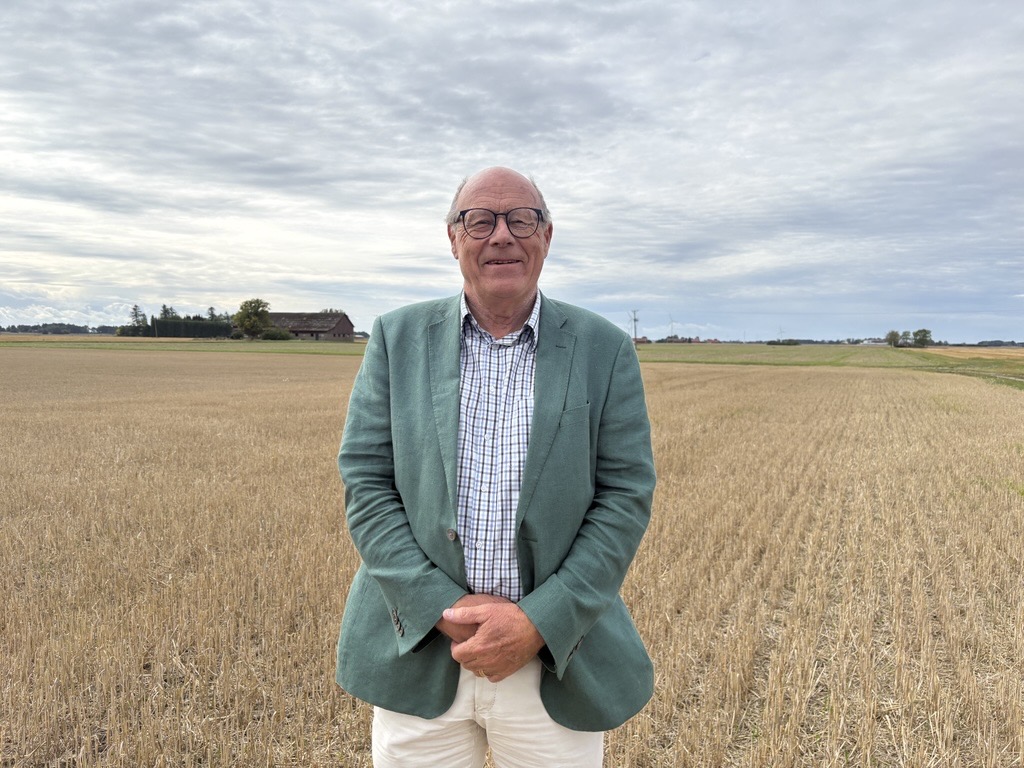
– Previously, we mainly talked about biogas. Today, we also talk about digestate, biofertiliser and the opportunities to develop agriculture. The perspective has broadened and now also includes self-sufficiency and preparedness.
Anders Mathiasson, Energigas Sverige.
He also highlighted the value of continuing to bring together different areas of expertise and perspectives.
Dialogue between public authorities and stakeholders is needed
For the potential to be translated into practice, collaboration is needed across several parts of the system. Public authorities need to understand the practical consequences of different regulations, while industry, agriculture and research need to contribute knowledge about opportunities, needs and barriers.
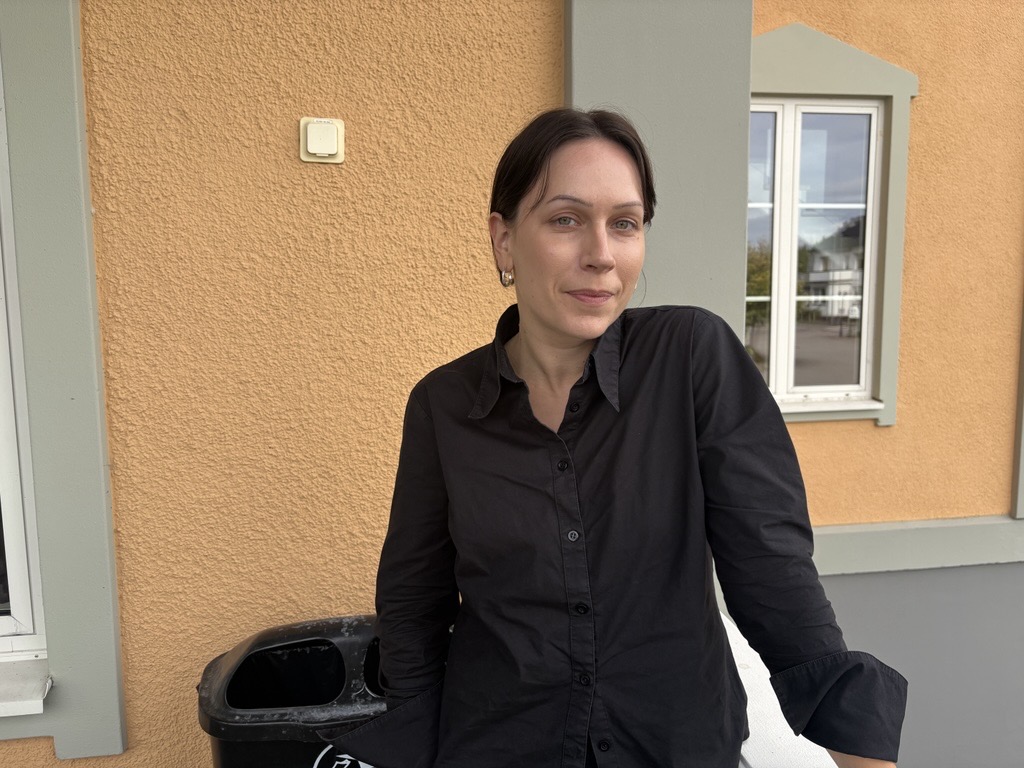
– What I take away from today is that we need to maintain a good dialogue between all the stakeholders in Sweden who are working on this issue. This is necessary if we are to become more effective, move forward and increase both biogas production and Sweden’s preparedness.
Josefin Ahlqvist Lyzwinski, Swedish Environmental Protection Agency
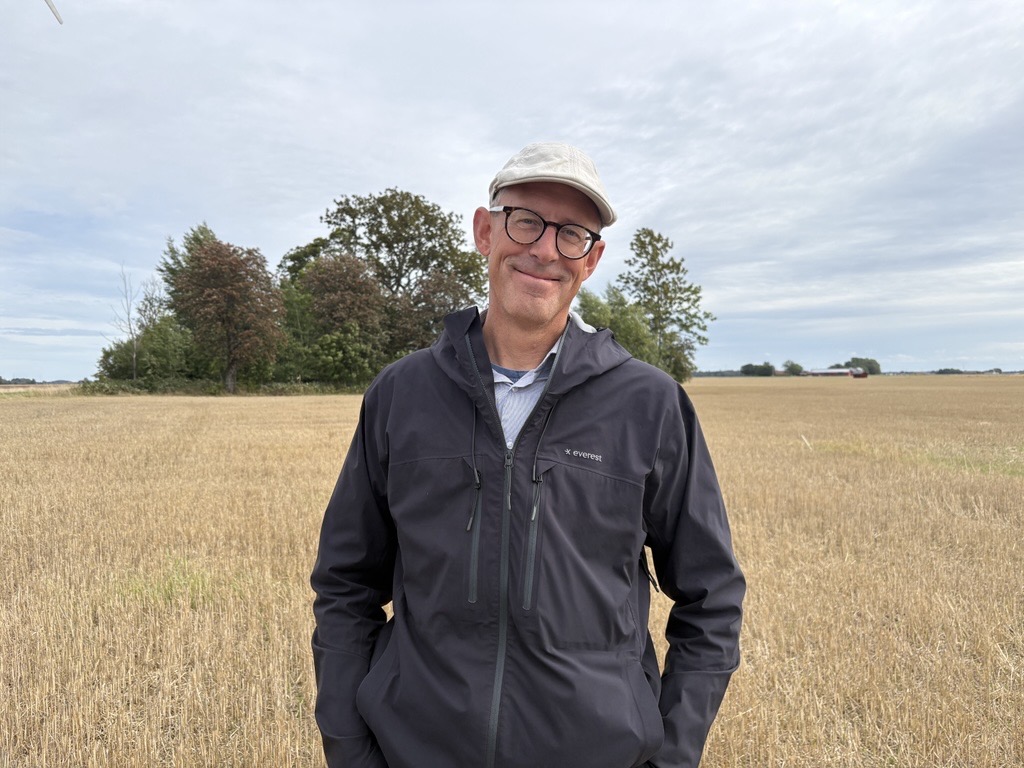
The Swedish Energy Agency also took part and appreciated the dialogue:
– It is clear that if we are to make real progress towards increased biogas production, we need to find sustainable and regulatory-compliant ways of making use of straw, grass and catch crops. This is something we will take with us in our work on the government assignment to develop policy instruments and strengthen the role of biogas in preparedness planning.
Jonas Nordanstig, Head of the Unit for Transport Fuels and Sustainable Fuels at the Swedish Energy Agency.
.
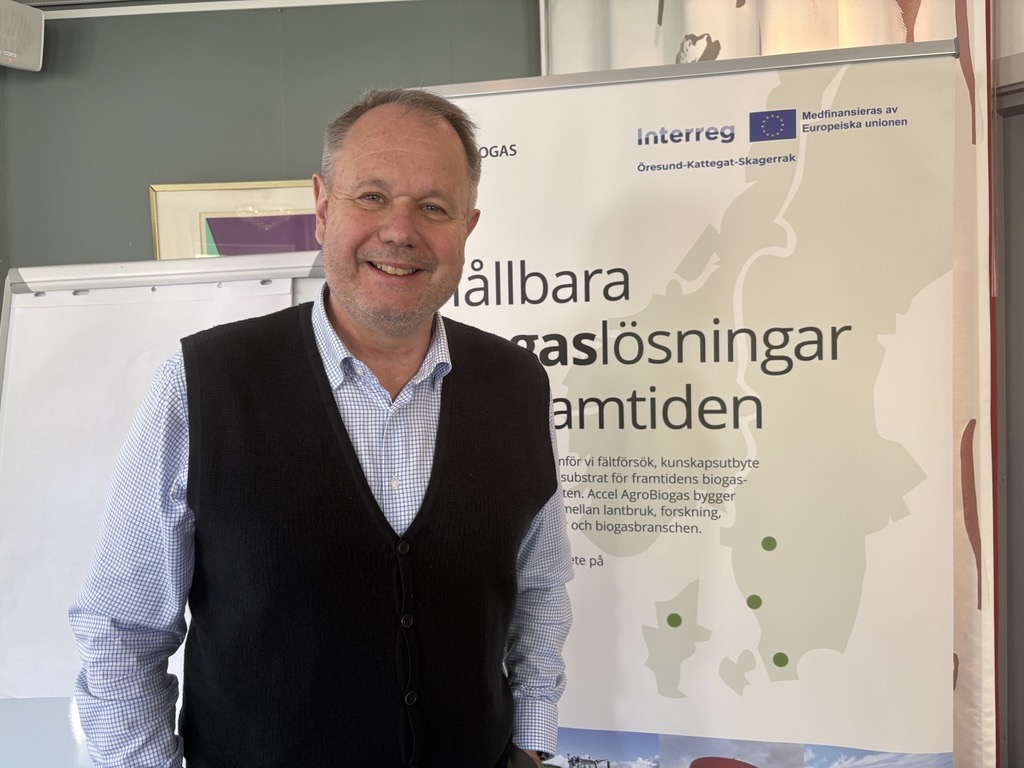
– There is significant potential for more agricultural biogas, but in order to realise that potential, we need long-term and predictable conditions, effective financing and greater understanding between different stakeholders. That is why meeting places like this are important. When public authorities, agriculture, research and industry come together, we can identify issues that might otherwise fall between different areas of responsibility, regulations and organisations.
Jörgen Peters, Deputy County Governor Västra Götaland
From potential to implementation
Accel AgroBiogas works to develop, test and disseminate knowledge about new concepts for the use and supply of agricultural biomass for biogas production. Through the project’s Living Labs and dialogue with farmers, biogas producers, researchers, public authorities and others, new knowledge can be translated into practice.
The day demonstrated both how much is already happening and how much potential remains. For more initiatives to become reality, technical solutions, economic conditions, markets and regulations need to develop together.
This requires continued dialogue, but also joint action.
.