Energibyen Skive: A Bridge Between Research and Biogas Production
Accel AgroBiogas brings together research, industry, and public authorities to develop the sustainable biogas of the future. Here, Energibyen Skive provides insight into its role, strengths, and areas of collaboration within the project.
As part of Accel AgroBiogas, we continuously highlight the project’s partners and their role in developing the sustainable biogas of the future. The aim is to provide a comprehensive overview of the strengths, competencies, and collaborative interfaces that drive the project forward – and that are crucial for developing new, sustainable biomasses for biogas production.
What is Energy City Skive’s role in the project?
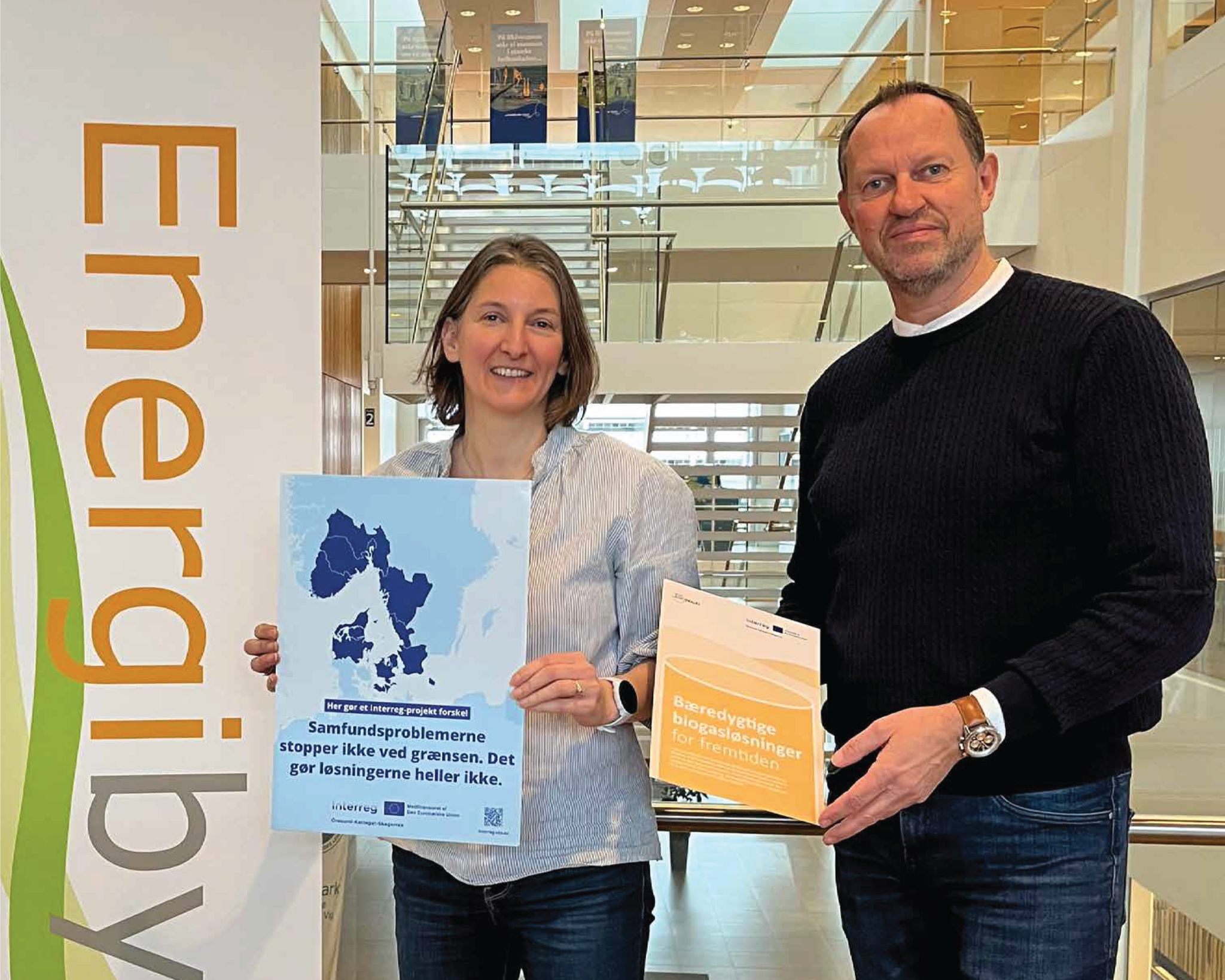
In Accel AgroBiogas, Energibyen Skive acts as a bridge between research and industry. We translate knowledge into concrete solutions for local farmers and biogas producers in the Skive area, while also listening to needs and demand from both sides. In addition, we are responsible for coordinating the partnership on the Danish side of the project.
What do you contribute to the project?
We act as a link and coordinator in a new Danish partnership where agriculture is actively involved and closely connected with research and policy. A particular strength of the project is that we have brought together a dedicated group consisting of agricultural advisors, farmers, biogas producers, universities, and policy actors.
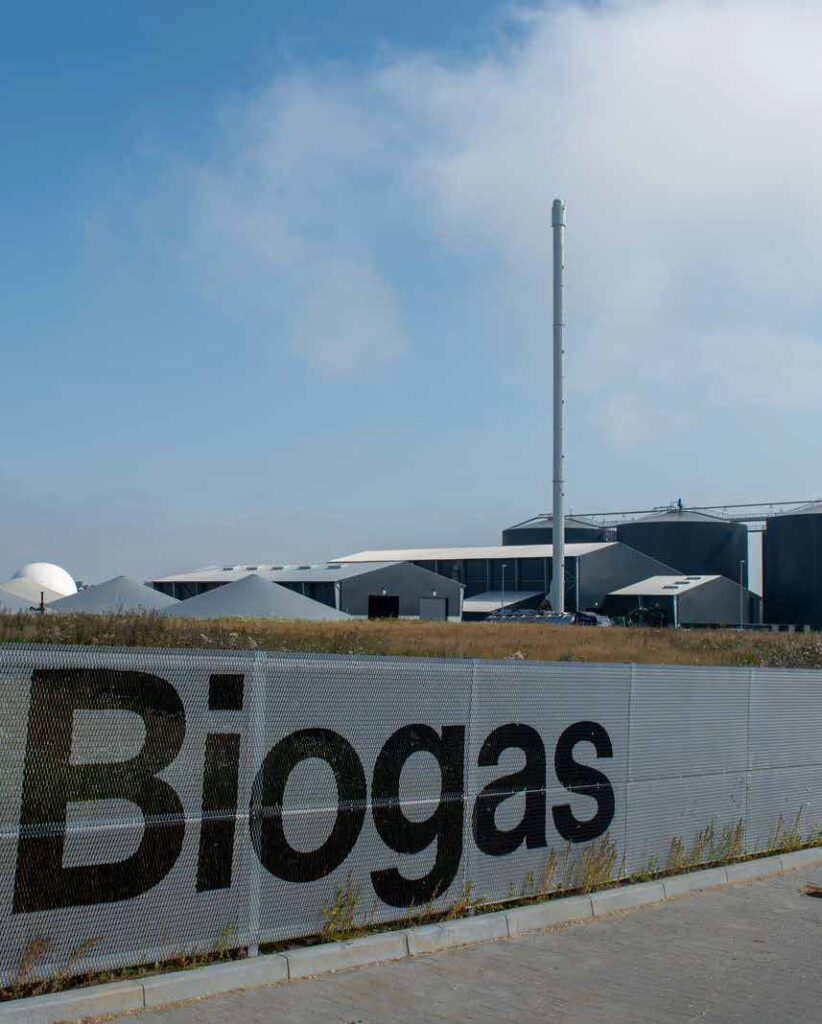
Skive Municipality has one of the largest biogas productions in Denmark – and possibly in Scandinavia – making the area an ideal test and development environment. At the same time, we contribute valuable practical knowledge and experience. As a municipality, we play a central role in driving the project, facilitating cooperation between the Danish partners, and creating connections to new stakeholders.
Why is Accel AgroBiogas important?
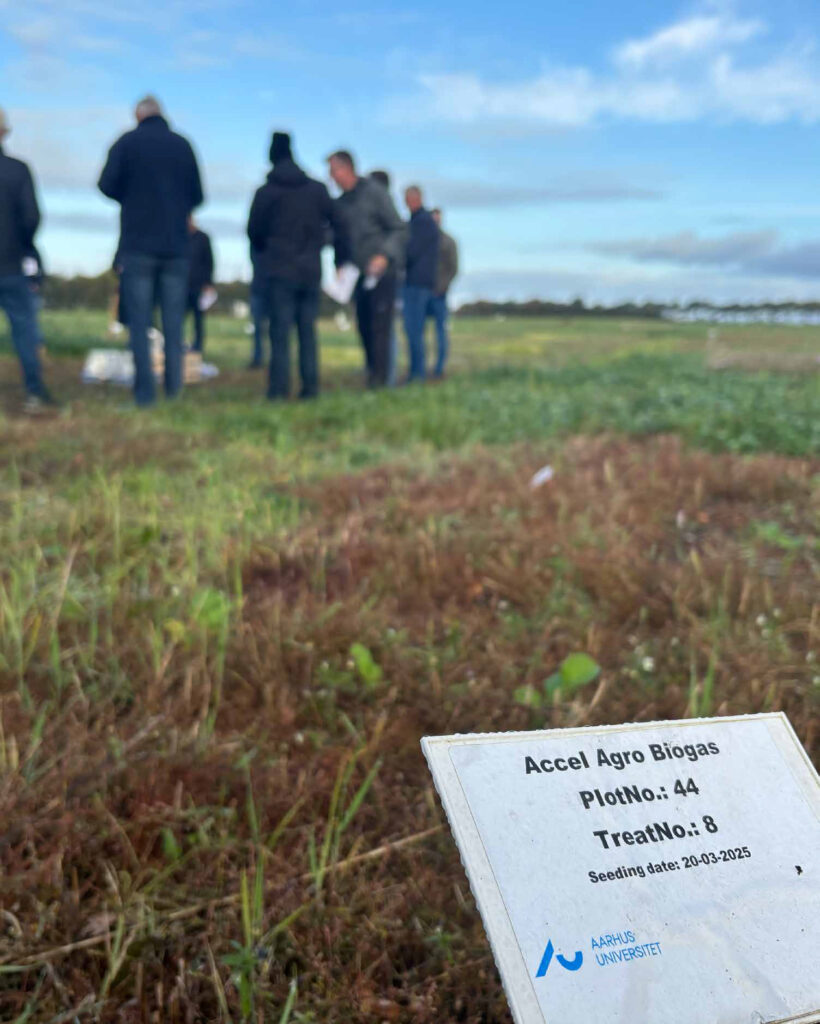
The purpose of the project is to contribute to a more sustainable future for the biogas sector, which today faces significant challenges in Denmark. In the future, maize can no longer be used in biogas production, resulting in a substantial loss of biomass. Therefore, alternative biomasses for biogas are being explored – both scientifically and in relation to regulatory frameworks and policy conditions. In the project’s Living Lab, the focus so far has been on catch crops and grass, where potentials and framework conditions are being tested and documented through research.
At the same time, there is a need for thorough discussions between industry, research, and public authorities about the direction in which biogas should develop and how framework conditions can support a long-term sustainable solution. Accel AgroBiogas gives us the opportunity to work strategically with these issues and create the best possible conditions for maintaining a high level of biogas production in Skive Municipality.This is important because we see biogas as a crucial element in the green transition of agriculture – and as part of the development toward a more circular and sustainable approach to farming in the Skive area.
What will happen going forward?
We will continue working to strengthen the exchange of experience between industry and research, as the value of sharing knowledge is significant for all involved. At the same time, we will maintain our focus on ensuring a solid and well-informed basis for decision-making – particularly when it comes to policy development and stable framework conditions for the biogas sector.