About the project
About us
Accel AgroBiogas is a cross-border collaboration project aimed at increasing biogas production by utilizing agricultural residual streams—in a way that is sustainable, practically feasible, and economically viable for both farmers and biogas producers.
The project is run by partners in Sweden and Denmark, with support from Interreg Öresund-Kattegat-Skagerrak, and is based on collaboration between agriculture, research, advisory services, authorities, and the biogas industry. Through practical field trials, knowledge exchange, and cross-sector dialogue, the project contributes to a green transition in which biogas plays a key role in both energy supply and climate efforts within agriculture.
Background
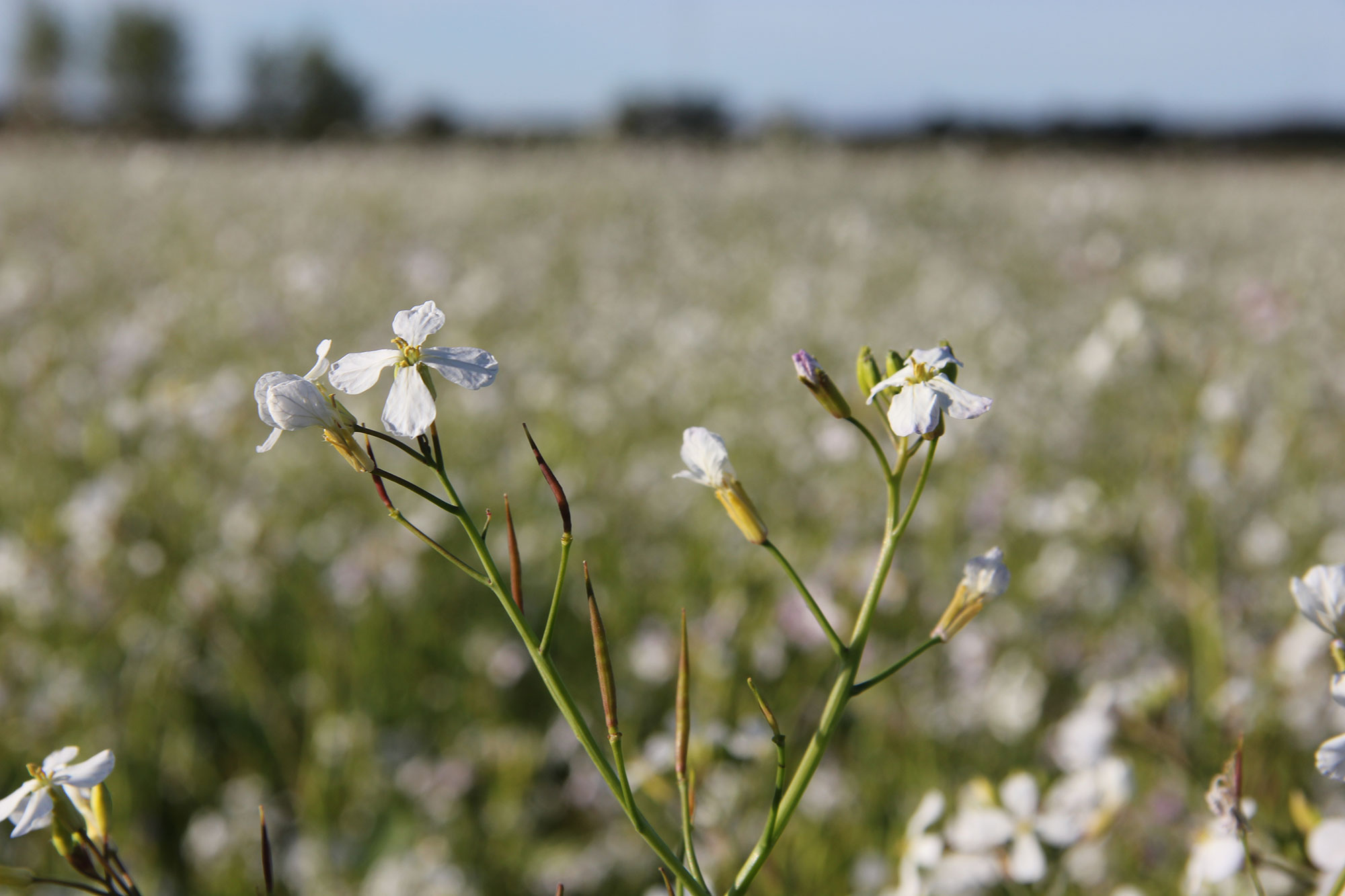
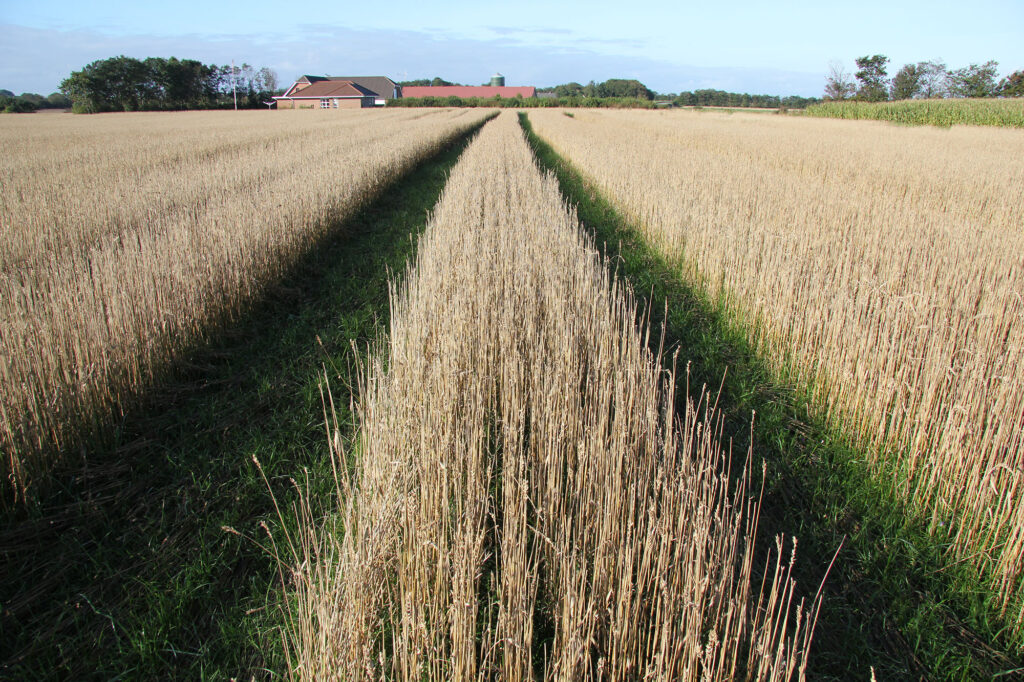
Both Sweden and Denmark have ambitious targets for biogas production—but to achieve them, a broader and more sustainable supply of raw materials is needed. Manure provides an important foundation, but it is not sufficient. Therefore, we need to make better use of residual streams such as straw, cover crops, beet tops, surplus grassland, and other side streams from agriculture—resources that are often unused today.
Target group
The project targets:
- Farmers who want to increase the value of their residual streams
- Biogas companies looking for new substrates
- Advisors and experts
- Regional and national decision-makers
- Researchers and innovation stakeholders
The goal is to contribute to increased biogas production, reduced greenhouse gas emissions, and improved resource efficiency in agriculture—and ultimately, to a more resilient and circular bioeconomy in the region.
Policy advocacy
A central part of Accel AgroBiogas is ensuring that the practical experiences from the Living Labs and technical trials also help shape future policies and regulations for biogas. Within the project, results are translated into policy recommendations that can improve the conditions for more sustainable biogas production in Sweden, Denmark, and at the European level.
The work includes, among other things, a policy and barrier analysis that identifies legislative and political challenges related to the use of biomass with a higher proportion of plant material. The analysis is used to inform relevant stakeholders through national and European policy dialogues.
The project has already, at an early stage, contributed input to the EU’s updated bioeconomy strategy, demonstrating the important role the project can play in creating policy impact and paving the way for a more resource-efficient and climate-smart biogas sector.